The Missing Script 2025: Ol Onal
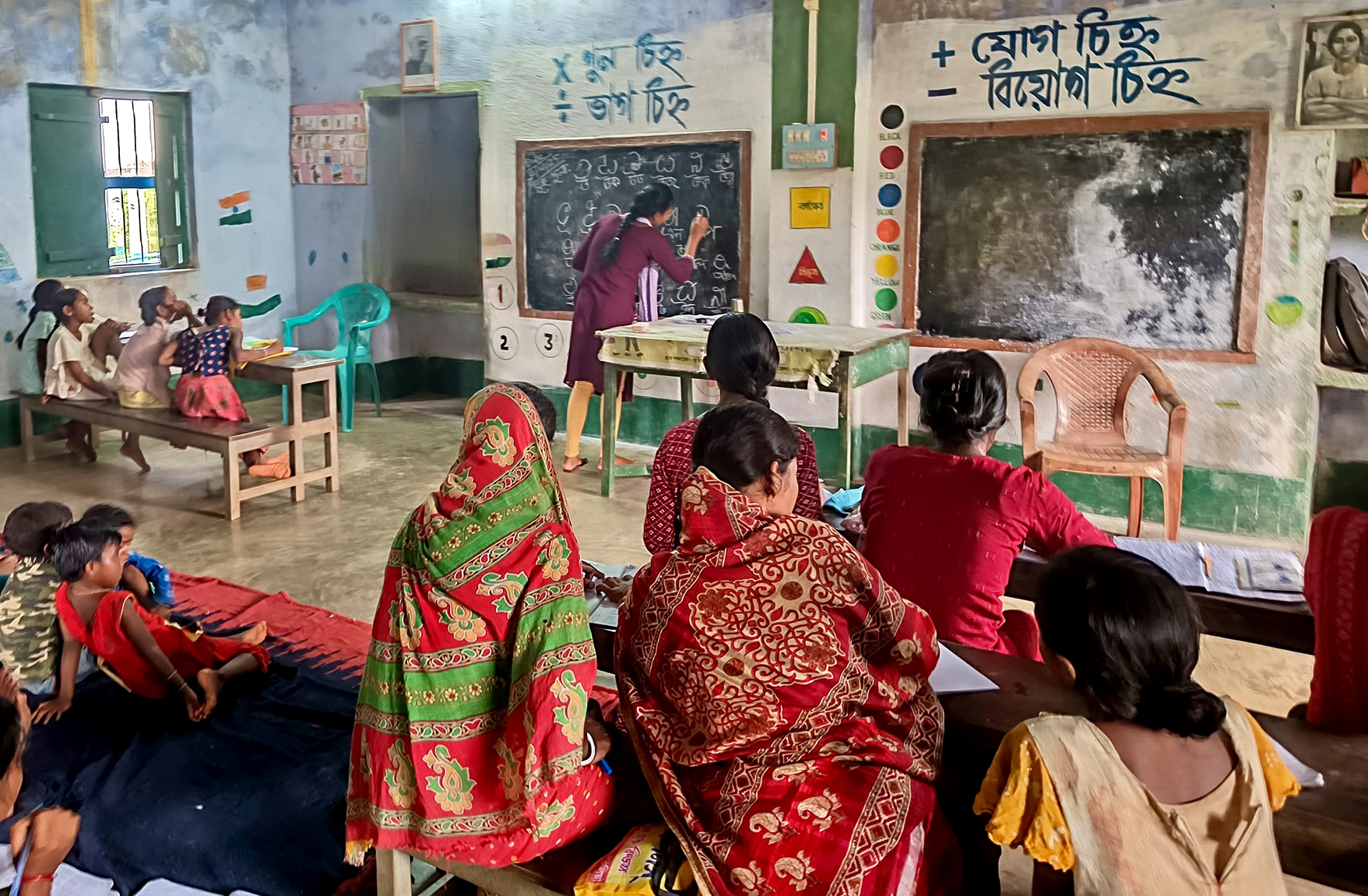
Arnab Chakraborty zoomIndia, specifically the Eastern part, is a diverse place with a large number of small ethnic groups and tribes, each marked by its indigenous language. Many of these languages, rooted in strong oral traditions, were historically marginalised due to the absence of formal writing systems. The development of writing systems for such languages plays a crucial role in preserving and revitalising their cultural heritage.
The Bhumij tribe, one of India’s 62 Scheduled Tribes, traces its ancestry to the Austroasiatic tribes that originally inhabited the Eastern plateau. Deeply connected to nature, they believe their origin is from the earth, hence the name “Bhumij” (Children of the soil). Spread across Odisha, West Bengal, Jharkhand, Bihar, and parts of Assam, the Bhumij language is currently classified as endangered, largely due to the dominance of regional scripts such as Bengali, Odiya, and Devanagari.
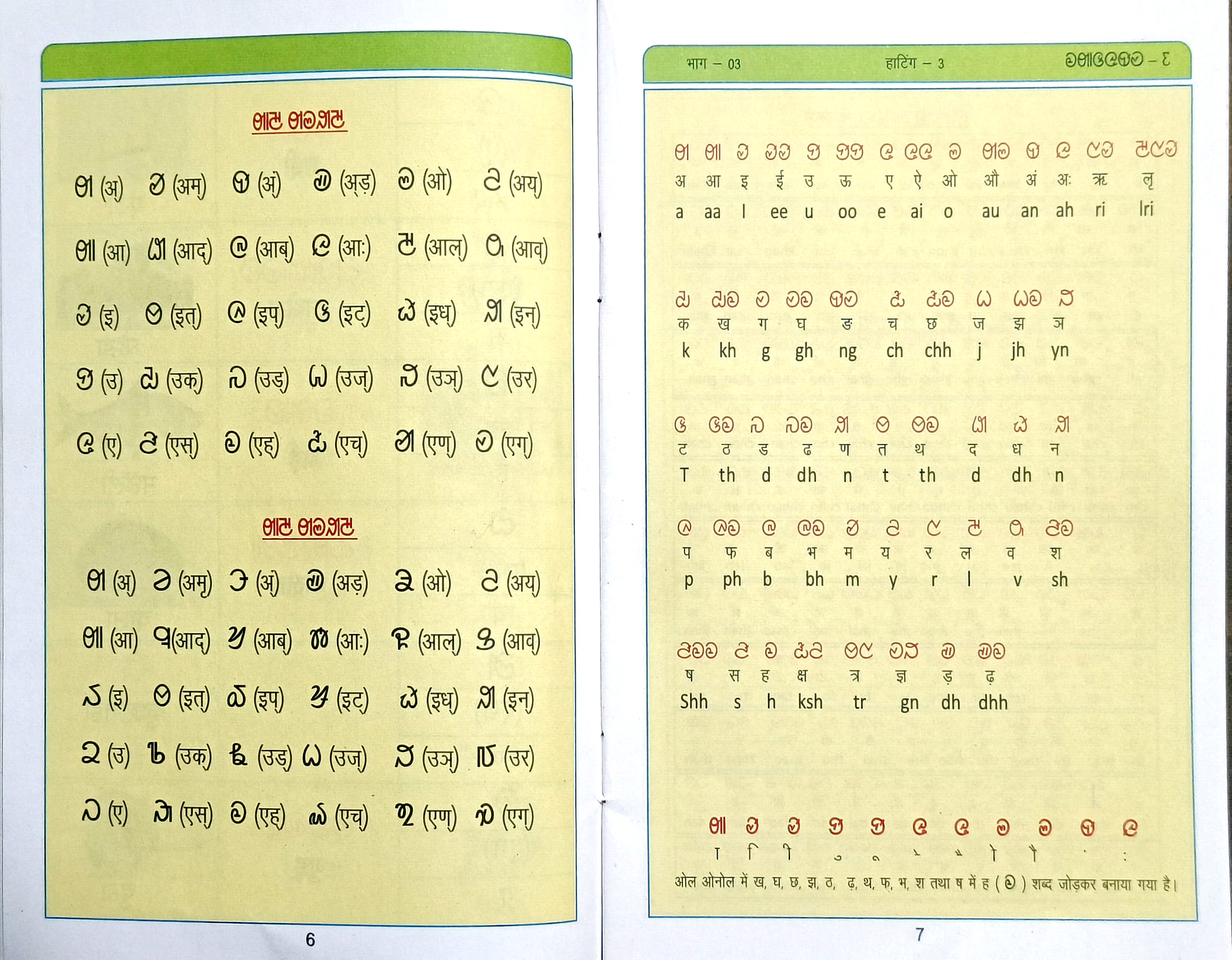
In response, the Ol Onal script (also known as Bhumij Lipi or Bhumia Onal) was developed by Mahendra Nath Sardar between 1981 and 1992 and formally adopted by the Bhumij community following a 1992 competition organised by the Adim Bhumij Samaj. Ol Onal was deliberately designed as an alphabet rather than an abugida, setting it apart from other Indic scripts that were used to write Bhumij. Amidst a long history of protest and recent interest from the government, Ol Onal was encoded as part of the Unicode version 16.0, making it accessible for millions of digital devices. The next challenge lies in using type as an important pedagogical tool for language revitalisation.
As part of The Missing Scripts program, this research project aims to do that while also keeping in consideration the need for a broader typefamily with multiple scripts (Bengali, Odiya and Latin) with shared proportions and distinct script identities. The project also intends to explore different stylistic models forming a precedent for future exploration of the ‘new script’ by looking at recent developments in other scripts of the same category, like Ol Chiki.